
Angular provides two different approaches to handling user input through forms: reactive and template-driven. Both capture user input events from the view, validate the user input, create a form model and data model to update, and provide a way to track changes.
Forms let users enter and edit data in your app. Two approaches: Template-driven (HTML-first with [(ngModel)]) and Reactive (code-first with FormGroup / FormControl). When to use: Template-driven for simple forms; Reactive for complex validation, dynamic fields, and testability.
Creating a Form in Angular includes the use of directives such as ngSubmit and ngModel. We will be using a functional component to render the elements. Various HTML elements are created in the project. To implement the project we will create the styling using CSS. Run ng new my-angular-form-project command to set up the react project.
Angularforms are used to log in, update a profile, enter sensitive information, and perform many other data-entry tasks. In this article, you will learn about howtocreate a form and validate the information filled.
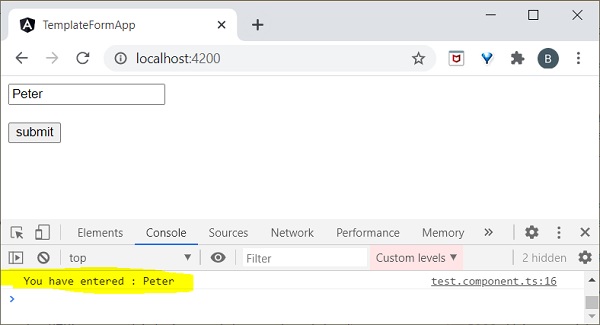
What You’ll Learn in This Video: 1.How to create a template-driven form using only HTML 2.Using ngModel for two-way binding 3.Adding required, email, minlength, and pattern validations 4 ...
By the end of this guide, you’ll have a thorough understanding of Angularforms, how to implement them, and how to leverage their features to create seamless user interactions.
This guide covers the essential concepts of Angularforms, providing you with the knowledge to build both template-driven and reactive forms. By understanding these concepts and using the provided code examples, you can create robust, dynamic, and type-safe forms in your Angular applications.
In this tutorial, we will learn what are Angularforms, how they work and their use cases. Angularforms are a way to accept user input in an Angular application.